How Upshift Works
The full lifecycle of a deposit — from receiving vault shares to curator-managed strategies, NAV accrual, and withdrawal.
The vault lifecycle
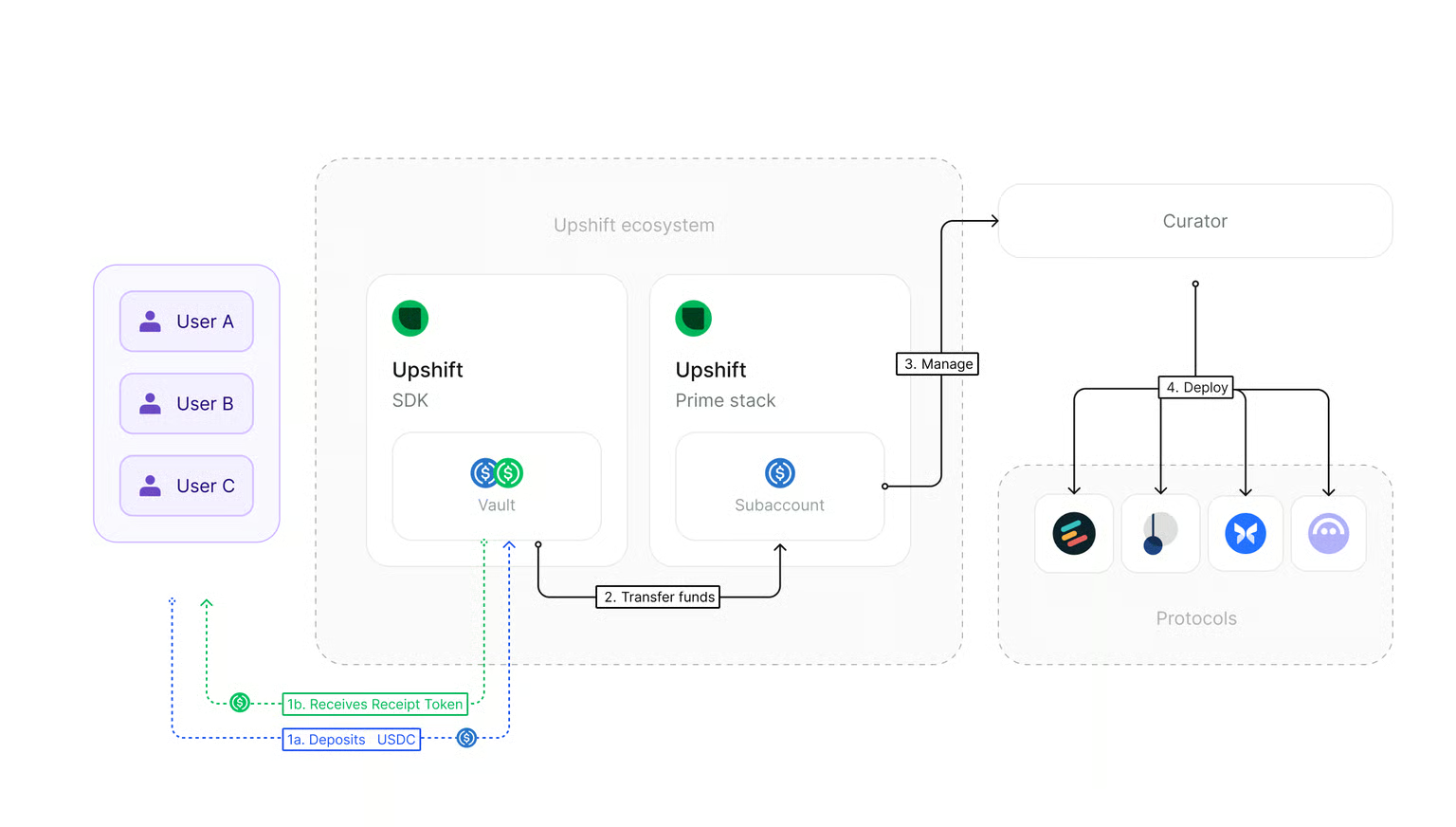
Upshift is built around vaults: non-custodial, on-chain products that turn a single deposit into a professionally managed yield position. Every vault follows the same loop.
1. Deposit
You deposit an asset — stablecoins, ETH, BTC, or other supported crypto assets — into a vault. Upshift offers both single-asset ERC-4626 vaults and multi-asset deposit vaults, supporting everything from simple lending to complex, multi-asset and multi-chain strategies.
2. Receive shares
Your position is tokenized into a receipt token: vault shares that represent your deposit and the yield it accrues. Because the vaults follow the ERC-4626 standard, these shares are composable — a token in your wallet, not an account balance held by someone else.
3. Curators run the strategy
Each vault is actively managed by a Curator — institutions such as hedge funds and asset managers who design and execute the vault's yield strategy. Deposits flow into subaccounts on Upshift's institutional infrastructure layer, from where curators deploy capital across whitelisted DeFi protocols and approved chains.
The setup is self-custodial by design: curators can allocate capital within the vault's mandate, but they cannot withdraw or access your funds. Yield comes from real sources — lending, LPing, and staking APY from the underlying protocols — plus any protocol rewards or points earned by the strategy.
4. NAV accrues to your shares
As the strategy earns, the vault's net asset value grows, and that growth is reflected in the value of your shares. Every allocation is traceable on-chain: each vault displays its exposure by protocol, token, and strategy, so you can see in real time where your capital sits and how the yield is generated.
5. Withdraw
When you want to exit, you redeem your shares back through the vault and receive your underlying assets plus the yield they have accrued. Your position was a token the entire time — no custodian to petition, no off-chain queue to trust.
Why this design
Transparency and risk management are the non-negotiables. Vaults run on smart contract infrastructure trusted by institutions for over $7bn in monthly transaction volume, curators are KYC'd institutions with verifiable track records, and capital can only touch vetted, whitelisted protocols.
Next steps
- See the vault products in practice: Products
- Go deeper on the vault design: Vault architecture overview